

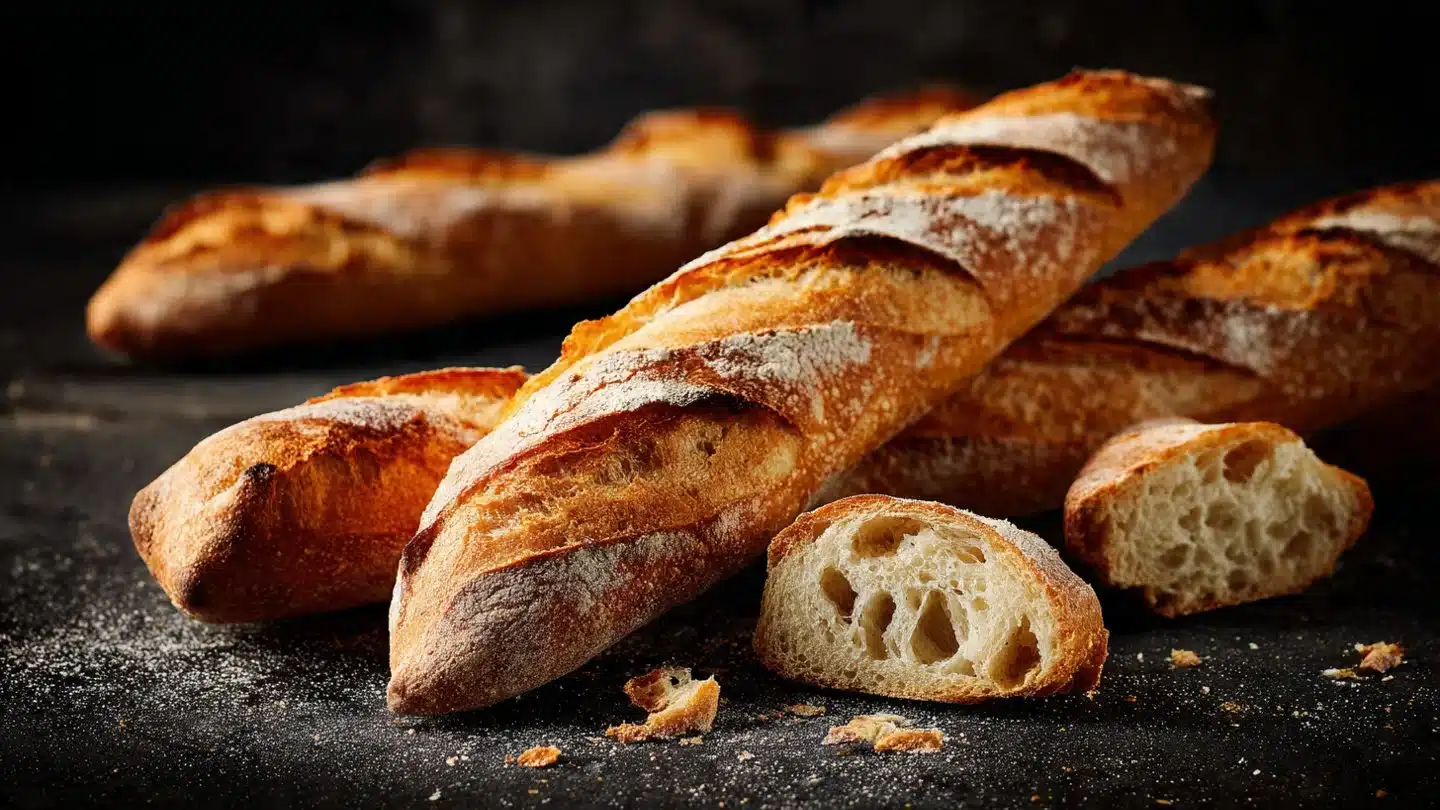
Okay, you want a baguette that actually tastes like it came from a street-side French bakery, not a department store bag pretending to be artisanal. I promise you, making a real homemade baguette is way easier than you think. I’ve baked dozens and messed up more than I care to admit, so I’ll save you the inevitable rookie mistakes.
The star ingredient here? Simple flour, water, salt, and yeast. No fancy seeds, no obscure tools, just patience and a little elbow grease. You’ll get a crisp crust, open crumb, and bragging rights.
By the end of this article, you’ll have a tested method, pro tips, and fun topping ideas to try tonight. Sound good? Let’s make something crunchy and satisfying.
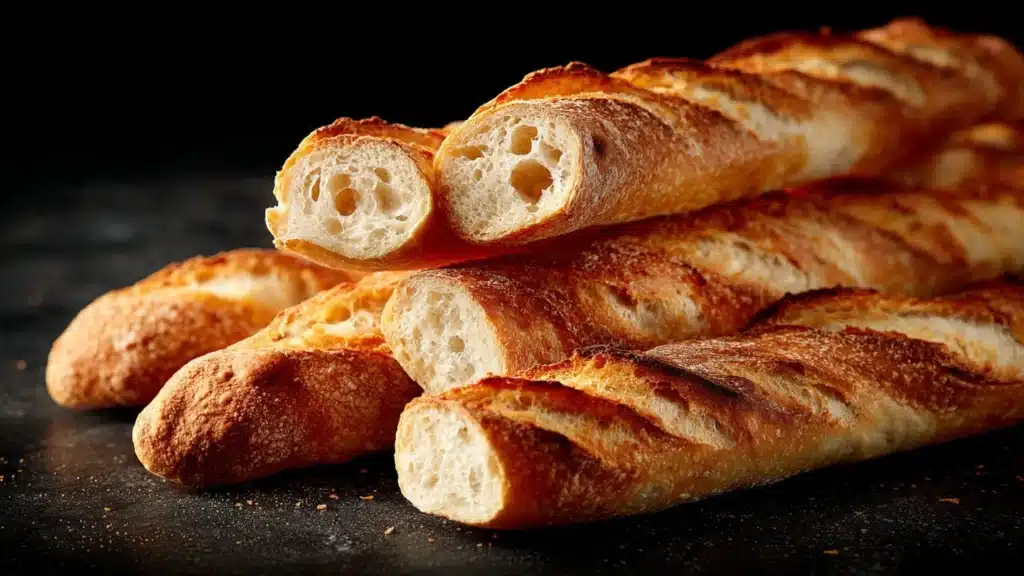
Why You’ll Love This Recipe
Here are the main reasons you’ll fall in love.
- Crisp crust and open crumb that makes sandwiches and toast sing.
- Made with just flour, water, salt, and yeast — pantry heroes.
- Low hands-on time; most of the work happens while you chill or sleep.
- Impresses guests without making you the tired host the next day.
- Flexible: scale up or add flavors easily.
I find this recipe forgiving, even when I forget and let it rise a little longer. It develops flavor slowly, so you can go about your day and still end up with something impressive. Also, you will feel smug when you tear into that first warm slice.
Ingredients You’ll Need
Grab these basics.
- Flour — 500g bread flour or all-purpose for a softer crust.
- Water — about 350ml lukewarm.
- Salt — 10g to season.
- Yeast — 2g active dry yeast or instant.
I usually use 500g flour and test hydration between 65–70% depending on humidity. Bread flour gives better gluten strength, but all-purpose works for most folks. If your dough feels too sticky, add a spoonful of flour at a time. Use less yeast and longer time for flavor.
How to Make (Step-by-Step)
1. Mix
In a large bowl, mix together flour, water, salt, and yeast until combined. I mix by hand to avoid overworking the dough. You should see a shaggy mass; that’s perfect.
2. Long Rise
Cover the bowl with a cloth and let the dough rise for about 12-18 hours at room temperature. Leave the bowl somewhere warm but not hot. The long rise lets enzymes do their job and develops flavor without much fuss.
3. Heat Oven
After the dough has risen, preheat the oven to 450°F (232°C) and place a Dutch oven inside to heat up. Heat the Dutch oven for at least 30 minutes so it mimics a professional bread oven. Wear oven mitts; the pot gets extremely hot.
4. Shape
Gently turn the dough onto a floured surface and shape it into a baguette. Don’t press out all the gas; you want some airy pockets inside. Practice makes this shaping painless after a few loaves.
5. Bake Covered
Carefully remove the hot Dutch oven, place the shaped dough inside, cover it, and return it to the oven. If the dough sticks to the surface, use a peel or parchment to transfer. Don’t slam the lid on; be careful with hot steam.
6. Finish Baking
Bake for 30 minutes covered, then remove the lid and bake for an additional 15-20 minutes until golden brown. The color should look deep golden with some blistering. If it browns too fast, lower the temp slightly.
7. Cool
Let cool before slicing. Cutting too soon makes a gummy interior; patience pays. I know waiting feels wrong, but resist.
Pro Tips for the Best Results
Small tweaks make a big difference.
- Use a digital scale for accurate measurements.
- If your dough feels sticky, add flour sparingly during shaping.
- Create steam by adding a few ice cubes to the Dutch oven bottom before covering.
- Let the loaf cool fully; hot crumb ruins sandwiches.
- Use cold water and longer fermentation for more flavor.
- Don’t obsess about exact times; dough tells you what it needs.
Ever wondered why bakery crusts taste special? Steam and high heat create that distinctive crust, so don’t skip those steps. If your dough spreads instead of holds shape, tighten your shaping technique or lower hydration. FYI, kitchen humidity changes everything, so I adjust by feel.
Fun Variations & Topping Ideas
Variations:
Try these to jazz up the basic dough.
- Olive and rosemary: fold chopped olives and fresh rosemary into the dough.
- Whole wheat: replace 150g flour with whole wheat for nuttier taste.
- Garlic herb: brush with garlic butter after baking.
Toppings:
Toppings add texture and flavor.
- Sea salt flakes or flaky salt for crunch.
- Sesame or poppy seeds for visual pop.
- A light brush of olive oil and herbs before baking for aroma.
You can also split the dough and flavor each loaf differently. Try sun-dried tomatoes and basil, or a cheese-stuffed seam for cheesy pockets. IMO, a little toasted garlic butter takes a simple baguette to legendary status.
Storing and Reheating
Leftover baguette doesn’t need to be tragic. Store at room temperature in a paper bag for up to two days to preserve crust. For longer storage, slice and freeze; toast or oven-reheat straight from frozen. Reheat in a 350°F oven for 10 minutes for crisp results.
Avoid plastic wrap at room temperature; it softens crust. To refresh, sprinkle water and pop back into a hot oven for a few minutes.
Frequently Asked Questions (FAQ)
Do I need a Dutch oven?
You don’t strictly need one, but it helps create steam for a crisp crust. Alternatively, use a baking stone and a tray of hot water.
Can I use instant yeast instead?
Yes, instant yeast works fine; reduce proofing time slightly if you proof in warm water.
Why is my crumb dense?
You likely under-fermented or over-handled the dough; give it time and gentle shaping.
Can I make smaller rolls instead?
Absolutely; shape smaller pieces and shorten bake time to about 20 minutes.
How do I score the bread?
Use a lame or sharp knife to make quick confident slashes. Angle the blade and don’t drag; a clean slice opens the oven spring.
Can I use whole grain flour?
Yes, but swap no more than 25–30% whole grain at first to maintain structure. Add extra hydration and rest time when you include whole grains.
Is overnight fermentation necessary?
Not strictly, but it improves flavor and digestibility. Short rises work if you are pressed for time, though the taste will differ.
Serving Suggestions & Pairings
A fresh baguette works with simple butter or olive oil and balsamic. Slice thinly for crostini topped with tomatoes and basil. Pair with a crisp white wine, hearty stew, or a simple cheese board.
I love serving warm baguette with butter and jam for weekend breakfast. Kids and guests always ask for seconds, which is a pleasant problem to have.
Common Mistakes and Fixes
I made these mistakes so you don’t have to.
- Dense crumb: fix by giving more fermentation time or gentler shaping.
- Flat loaf: tighten your shape and bake on a hot surface.
- Underbrowned top: remove the lid earlier or increase oven temp slightly.
- Soggy bottom: ensure you preheat the Dutch oven well.
If nothing works, email me your loaf picture and I’ll offer a tip.
Equipment You Actually Need
You only need a few things: a bowl, a scale, a Dutch oven (or baking stone), and a lame or sharp knife. I skip fancy mixers most of the time and use my hands; you will feel connected to the dough. If you have a peel, use it; if not, parchment works fine.
Why Bake Your Own?
Baking bread reverses the instant world a little. You control ingredients, reduce waste, and enjoy a ritual that slows your morning in the best way. Plus, you earn bragging rights and a steady supply of killer toast.
My first baguette looked like a softball, but the smell made my neighbors jealous. I learned to score properly after many ugly loaves and now teach friends who ask. If I can do it on a busy weeknight, you can too.
Final Walkthrough
Quick recap to keep in your head as you bake.
- Mix ingredients until combined.
- Let rise slowly for flavor.
- Shape, heat, and bake covered, then finish uncovered.
Make mistakes, learn fast, and enjoy.
This homemade baguette method gives you big bakery flavor with minimal drama. You get crisp crust, soft interior, and room to experiment with toppings or variations. If you want an extra reference that mirrors traditional French techniques, check out How to Make French Baguettes – Taste of Artisan for another perspective. Drop a comment with your results and leave a rating if this recipe helped; I read every single one. Now go bake something that makes your kitchen smell like a vacation.
Ready to try? Start this weekend, and treat mistakes as experiments. Share your loaf photo and I’ll celebrate with tips. Baking rewards patience and curiosity, and you will get better every time. Tag me on socials and tell me how your crust turned out; I love feedback. always welcome.

Homemade Baguette
Ingredients
Basic Ingredients
- 500 g Bread flour or all-purpose flour Bread flour gives better gluten strength, but all-purpose works too.
- 350 ml Lukewarm water Use cold water and longer fermentation for more flavor.
- 10 g Salt Essential for seasoning the dough.
- 2 g Active dry yeast or instant yeast Instant yeast works fine; reduce proofing time slightly if using.
Instructions
Preparation
- In a large bowl, mix together flour, water, salt, and yeast until combined.
- Cover the bowl with a cloth and let the dough rise for 12-18 hours at room temperature.
Baking
- Preheat the oven to 450°F (232°C) with a Dutch oven inside for at least 30 minutes.
- Gently turn the dough onto a floured surface and shape it into a baguette.
- Carefully remove the hot Dutch oven, place the shaped dough inside, cover it, and return it to the oven.
- Bake covered for 30 minutes, then remove the lid and bake for an additional 15-20 minutes until golden brown.
- Let the baguette cool before slicing.